by Lawrence Sentillas, RND
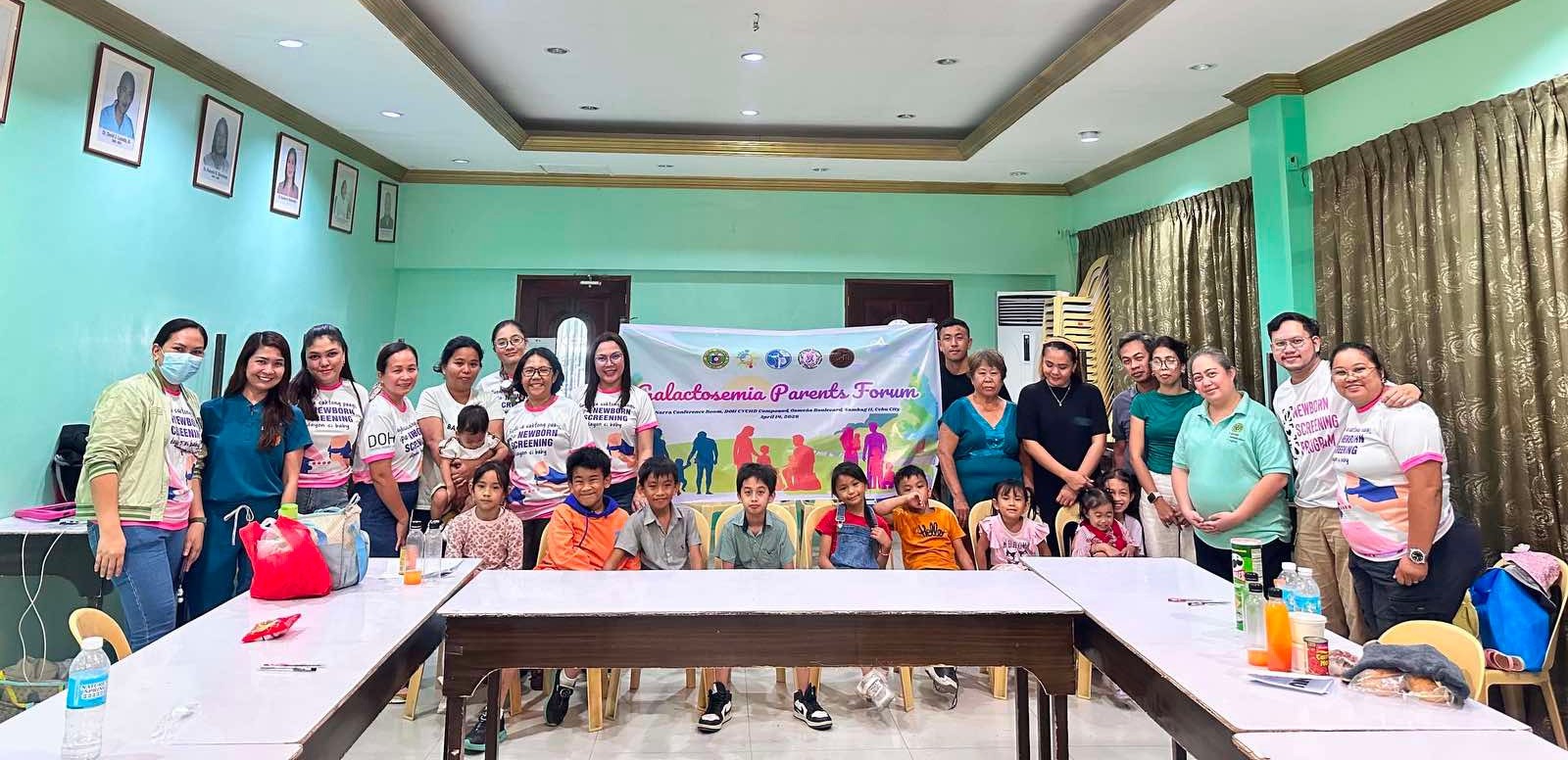
On April 14, 2026, the Department of Health Central Visayas Center for Health Development (DOH CV CHD) Newborn Screening (NBS) Team together with the Newborn Screening Continuity Clinics (NBSCC) in Central Visayas and the Center for Human Genetics Services (CHGS) Visayas successfully conducted a Galactosemia Parents’ Forum at Narra Conference Room, DOH CV CHD Compound, Osmeña Boulevard, Sambag II, Cebu City.
Galactosemia is a rare inherited metabolic disorder in which the body is unable to properly break down galactose due to the absence or deficiency of a specific enzyme. Without proper medical and dietary management and restriction, toxic byproducts may accumulate in the body and lead to serious, potentially life-threatening complications.
Currently, there are 12 confirmed positive patients with Non-Classical Galactosemia under the care of NBSCC Vicente Sotto Memorial Medical Center (VSMMC) and 5 of the confirmed patients attended the activity. These children come from different parts of Cebu, making gatherings such as this, a vital opportunity for families to connect and support one another.
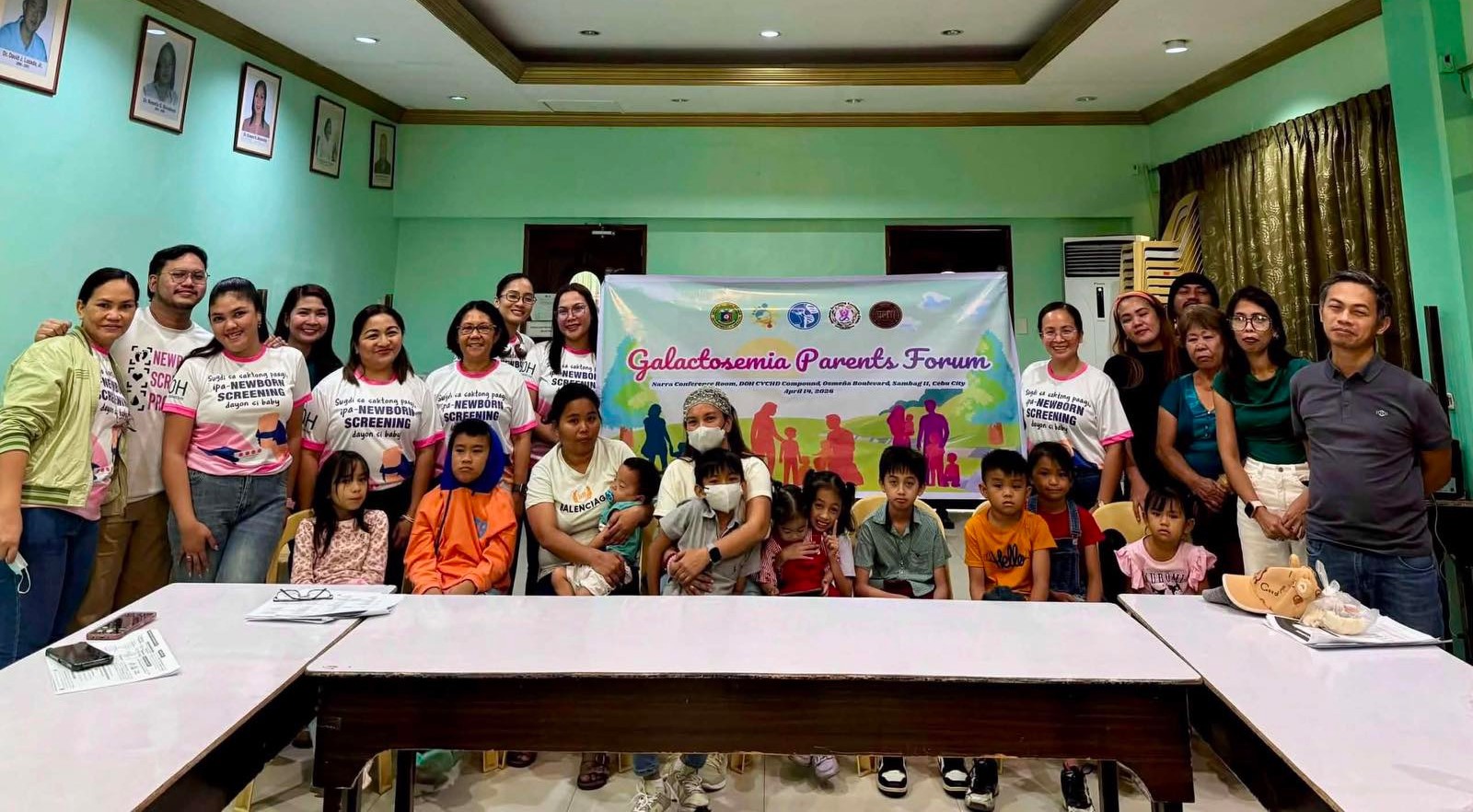
The primary goal of the forum was to bring together families of children with galactosemia, foster a sense of community, and remind parents that they are not alone in their journey. The activity commenced with an introduction of participants by Ms. Glynnis L. Durac, NBS Coordinator of DOH CV CHD. Dr. Barbra Charina V. Cavan, Head of CHGS Visayas, then provided a comprehensive overview of the medical background and clinical management of galactosemia. Subsequently, Mr. Lawrence Sentillas, Nutritionist-Dietitian of CHGS Visayas, facilitated a session on nutritional management alongside interactive activities. Concluding the activity, Ms. Lucille Jra. Largo, NBSCC Follow-Up Nurse, addressed frequently asked questions regarding long-term follow-up care and patient monitoring.
One of the most meaningful parts of the program was the sharing session among parents, where families openly discussed their experiences, challenges, and successes in raising a child with galactosemia. The discussion created a supportive environment where questions were answered not only by healthcare professionals but also through the shared experiences of fellow parents.
Although the forum was originally envisioned as a one-day support group meeting for families, the true highlight of the event became the interaction among the children themselves. Patients with galactosemia had the opportunity to meet one another, play together, and participate in activities such as Zumba, filling the hall with laughter and energy. Seeing the children connect so naturally served as a powerful reminder of the importance of community support and hope.
The success of the activity stands as a testament to the collaborative efforts of CHGS Visayas, NBSCC Central Visayas, and DOH CV CHD, who also conducted patient monitoring and consultations before the program commenced. Special recognition is extended to the Volunteer Youth Leaders for Health (VYLH) Philippines for their unwavering advocacy and support of the newborn screening program. Gratitude is likewise expressed to Ms. Rochelle Reyes, Nutritionist-Dietitian of VSMMC, for her dedicated commitment to addressing the needs of patients with Inborn Errors of Metabolism (IEM). Most importantly, heartfelt appreciation goes to the families who participated wholeheartedly in the activity.
Although several members of the NBS team in Central Visayas are new to the program, their passion and dedication reflect the enduring strength of the Philippine Expanded Newborn Screening Program. For three decades, Newborn Screening has steadfastly saved lives, offered children the opportunity for healthier futures, and provided families with hope through early detection and lifelong care.
Initiatives like the Galactosemia Parents Forum prove that behind every screening, consultation, and medical plan are real families, resilient children, and a community united by a shared mission: TO SERVE WITH COMPASSION AND AMPLIFY THIS VITAL ADVOCACY. As the program expands, its commitment deepens—ensuring no child is left behind and every family navigating rare metabolic disorders finds the support, understanding, and brighter future they deserve.
