by Vina G. Mendoza
Across the Asia-Pacific Region, newborn screening continues to stand as one of the most effective public health interventions for preventing lifelong disability and early childhood mortality.
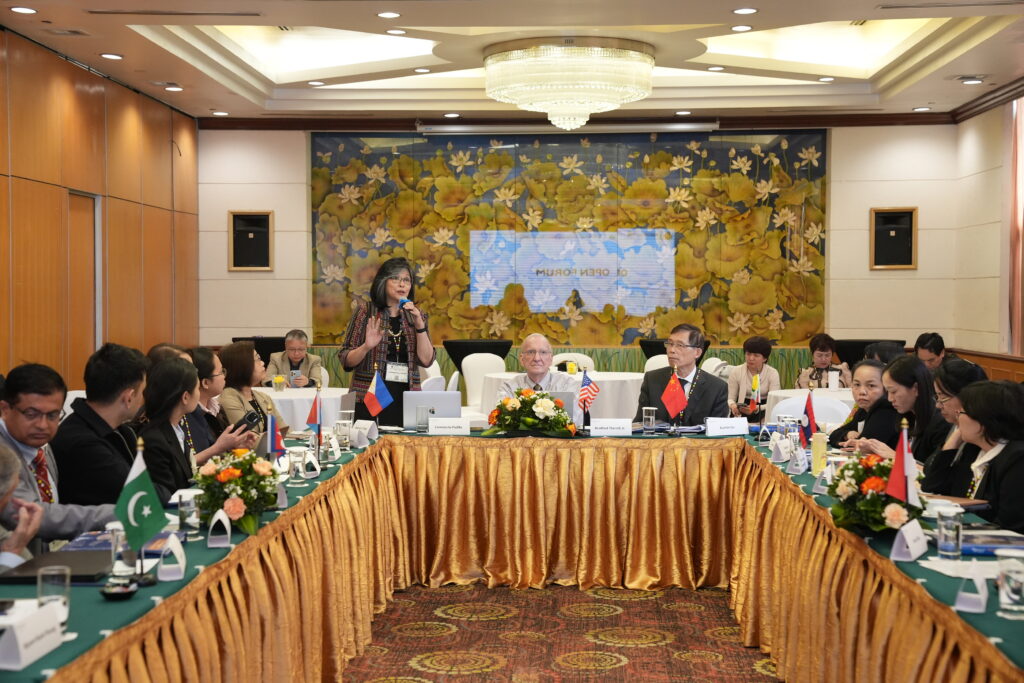
This shared commitment took center stage in Hanoi, Vietnam, as leaders, experts, and program implementers gathered for the 8th Workshop on Consolidating Newborn Screening Efforts in the Asia Pacific Region, held from January 12–16, 2026.
Bringing together representatives from Bangladesh, Cambodia, India, Indonesia, Laos, Mongolia, Myanmar, Nepal, Pakistan, the Philippines, and Vietnam, along with international experts from the United States, Europe, and Singapore, the workshop served as a dynamic platform for collaboration, learning, and forward planning for regional newborn screening programs.
At its core, the workshop reaffirmed a simple but powerful principle: every newborn deserves a healthy start in life.
Through formal sessions, delegates engaged in intensive knowledge exchange. Country reports provided a comprehensive overview of national newborn screening systems, including coverage rates, sustainability strategies, and ongoing programmatic gaps. The country representatives shared their progress, challenges, and innovations in expanding screening coverage. While some nations have made significant gains, others continue to face structural and resource-related barriers, highlighting the need for stronger regional cooperation.
Expert-led lectures and moderated discussions focused on key technical and policy issues such as laboratory quality, program expansion, and health system integration. A key highlight of the sessions was the collaborative drafting of the Hanoi Declaration, a regional commitment that will guide newborn screening efforts over the next 18–24 months.
Participants also visited the Vietnam National Children’s Hospital, offering firsthand insight into clinical and operational practices in one of the region’s active screening environments.
The workshop extended beyond formal sessions to include networking activities and courtesy meetings designed to strengthen institutional relationships. These interactions provided space for countries to explore future collaborations, share technical expertise, and reinforce commitment to collective progress.
The Hanoi Declaration: A Shared Roadmap for Action
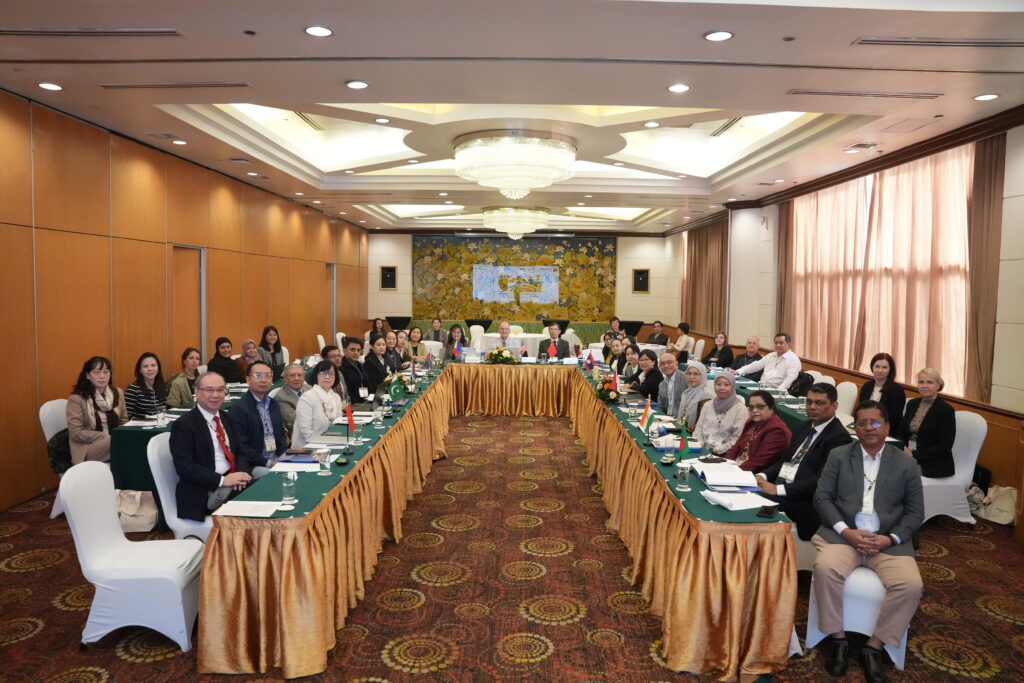
A key milestone of the workshop was the adoption of the Hanoi Declaration. Rooted in global child health frameworks, including the UN Convention on the Rights of the Child and World Health Organization resolutions, the declaration outlines 10 strategic action areas for advancing newborn screening in the region.
These include:
- Expanding regional collaboration and data sharing
- Strengthening national policies and legislation
- Advancing research to guide program development
- Improving sustainable financing mechanisms
- Institutionalizing newborn screening within public health systems
- Building a skilled and sustainable workforce
- Ensuring quality assurance and program monitoring
- Improving access to treatment and long-term care
- Enhancing data systems and digital integration
- Strengthening advocacy and public awareness
Together, these commitments provide a clear and actionable framework for countries striving toward universal newborn screening coverage.
The workshop concluded with a strong sense of shared responsibility and renewed momentum. Delegates recognized that while challenges remain, particularly in expanding coverage and sustaining programs, the region is better positioned than ever to move forward through collaboration.
As participants departed Hanoi, the message was clear: newborn screening is not an isolated national effort but a regional commitment to equity, health, and survival.
The 8th Workshop on Consolidating Newborn Screening Efforts in the Asia Pacific Region stands as a milestone in strengthening partnerships and advancing a future where every newborn in the region has access to early detection, timely care, and a healthier life ahead.
