by Vina G. Mendoza
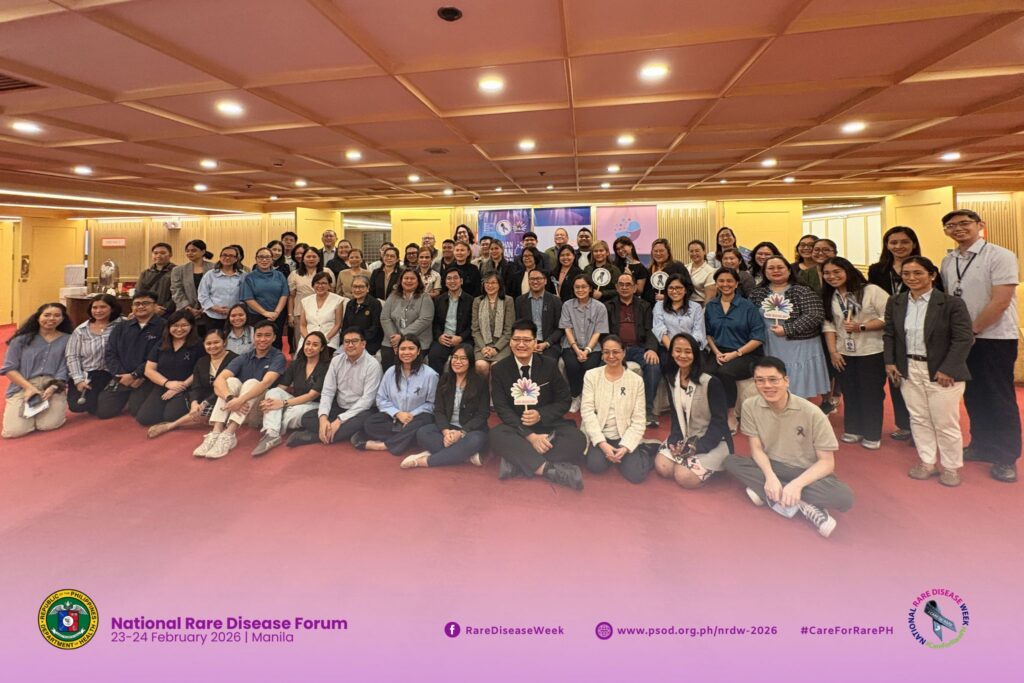
In support of the implementation of the Rare Disease Act of the Philippines (Republic Act No. 10747), the Department of Health (DOH), through the Disease Prevention and Control Bureau – Child Adolescent and Maternal Health Division (DPCB–CAMHD), convened the 2026 National Rare Disease Forum on February 23–24, 2026 at the Manila Prince Hotel.
The forum aimed to strengthen multi-sectoral collaboration, provide updates on national rare disease initiatives, and promote equitable and inclusive care for Persons Living with Rare Diseases (PLWRDs). It gathered representatives from government agencies, healthcare institutions, professional societies, patient support groups, civil society organizations, and academic institutions to advance coordinated action toward improving rare disease prevention, diagnosis, treatment, and long-term support in the country.
The activity came at a significant time for the global rare disease community. In February 2025, the World Health Organization Executive Board endorsed the proposed resolution, “Rare Diseases: A Global Health Priority for Equity and Inclusion,” with the Philippines serving as one of its co-sponsors. The resolution underscored the urgent need for comprehensive and equitable approaches to rare diseases, including timely diagnosis, access to treatment, and appropriate care systems for affected individuals and families.
Persons living with rare and undiagnosed conditions continued to face major challenges, including delayed diagnosis, limited access to treatment and support services, financial burden, social stigma, and exclusion. The forum sought to address these gaps by fostering collaboration among stakeholders and strengthening institutional capacity to respond to the complex needs of PLWRDs.
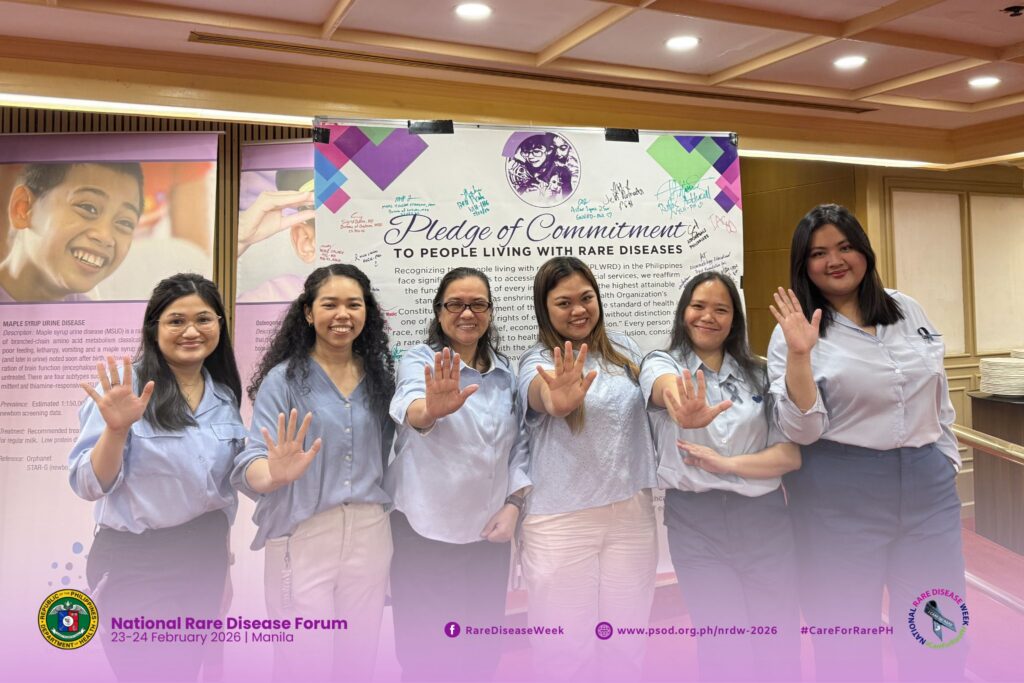
The event also highlighted the continuing implementation of the Integrated Rare Disease Management Program and the work of the National Rare Disease Technical Working Group (RDTWG), established under the Rare Disease Act. Composed of representatives from the DOH, UP Manila National Institutes of Health (UPM-NIH), PhilHealth, Food and Drug Administration, medical societies, and patient organizations, the RDTWG played a central role in aligning national efforts on rare disease management and access to orphan drugs and products.
Among the forum’s objectives were increasing awareness of rare diseases among healthcare professionals, promoting research initiatives, improving access to essential services, and developing more inclusive systems of care for individuals and families affected by rare diseases. The two-day program featured plenary discussions, patient advocacy presentations, breakout workshops, and the simultaneous convening of the National Rare Disease Technical Working Group Meeting. Topics included navigating the diagnostic odyssey, challenges in accessing orphan drugs and products, and optimizing supportive management for PLWRDs.
Key speakers included Dr. Carmencita Padilla, who discussed the journey of the Rare Disease Program in the Philippines, and Dr. Ebner Bon Maceda, who delivered a session on empowering healthcare professionals and advocates to better understand and support persons living with rare diseases, and Dr. Jacinto Blas V. Mantaring III, who talked about the Health Technology Assessment for Rare Diseases. Representatives from patient advocacy organizations such as the Philippine Society for Orphan Disorders, MSUD Parent Support Group, SMA Philippines, and The Hemophilia Philippines Community Foundation Inc. (HAPLOS) also shared their advocacies and experiences during the forum.
Through this national gathering, the DOH and its partners aimed to strengthen collaboration across sectors and build a more responsive, inclusive, and equitable healthcare system for Filipinos living with rare diseases.
