Behind every newborn screening result is a chance to detect early, seek care, and change a child’s future.
by Chelsey Brazal
For something that takes only a few drops of blood, newborn screening can make a profound difference in a child’s life.
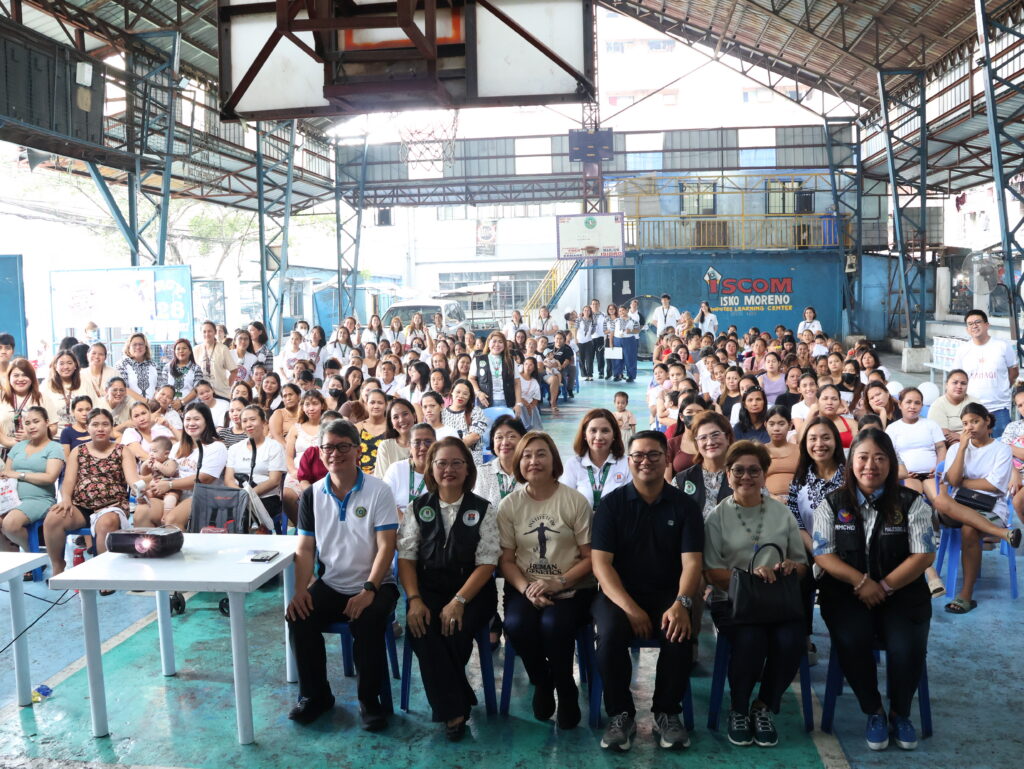
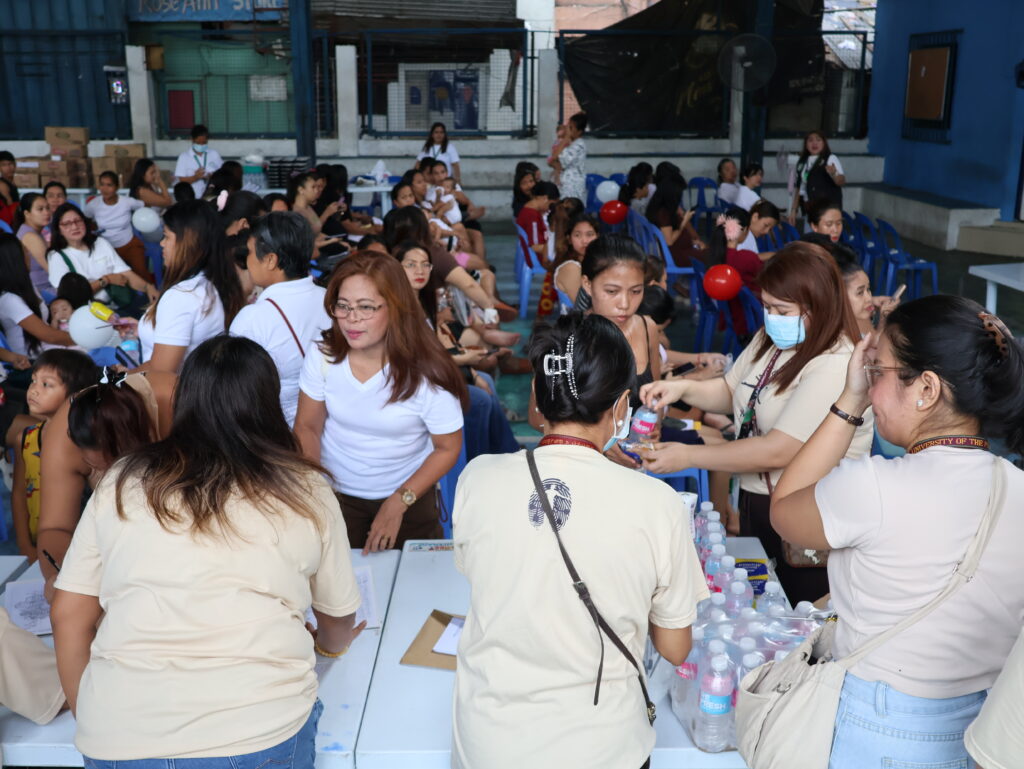
This was the message at the Community Engagement Activity conducted by the Newborn Screening Center-NIH of the Institute of Human Genetics in collaboration with the DOH-Metro Manila Center for Health Development and Volunteer Youth Leaders for Health with the theme “NBS@30 – Newborn Screening ang Karamay sa Healthy na Buhay” held on July 31, 2026 at Brgy. 128 Covered Court in Tondo, Manila
The event was one of several activities being conducted nationwide throughout the year to celebrate the 30th anniversary of the Newborn Screening (NBS) Program in the Philippines, bringing together health officials, advocates, parents, and community members to raise awareness about the lifesaving importance of newborn screening.
For the past 30 years, newborn screening has helped hundreds of thousands of families detect serious conditions early and give children the opportunity to grow healthier lives.
Institute of Human Genetics (IHG) Director Dr. Ebner Bon Maceda formally opened the event by explaining why newborn screening remains essential since some health conditions are not immediately apparent at birth. A baby may look perfectly healthy, yet have a condition that could cause problems later in life.
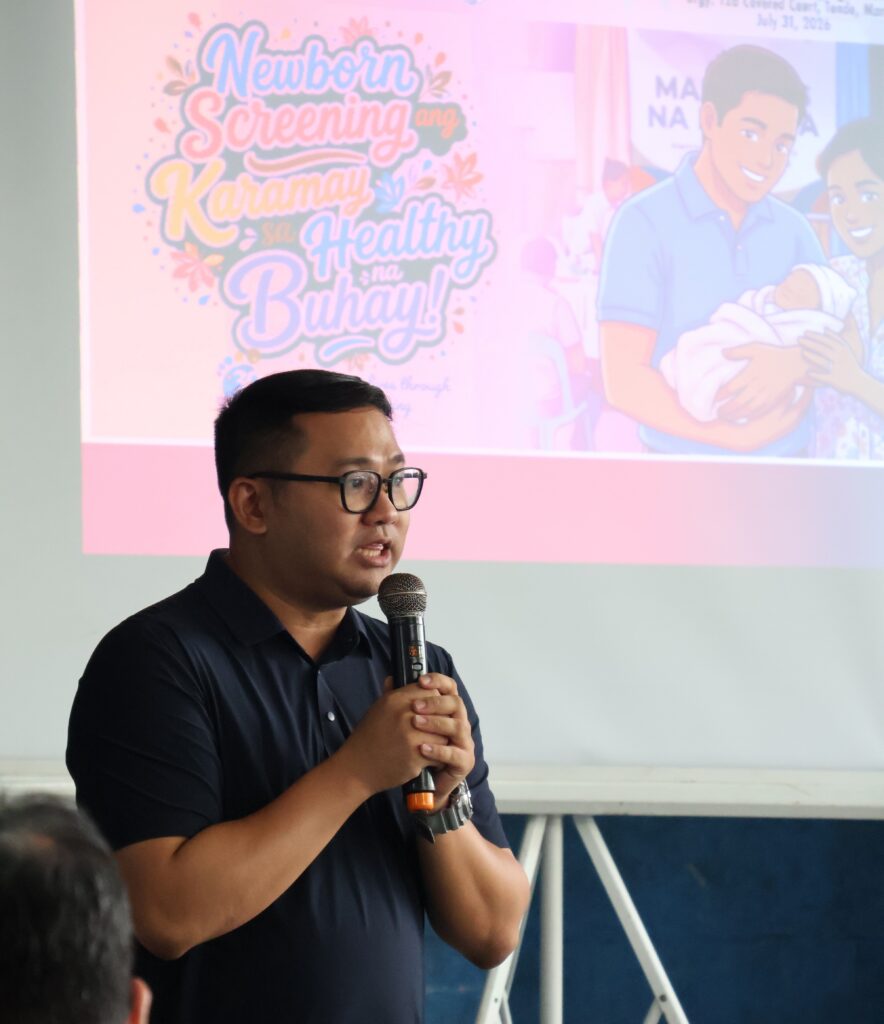
“Pagkapanganak po ng mga baby, minsan wala po tayong nakikitang mali, pero kapag hindi po nakapag-NBS, may posibilidad pong meron palang problema,” he said. Through newborn screening, these conditions can be detected early, allowing families to seek timely treatment before irreversible complications develop.
“Ang kahalagahan po nito, ngayon po ang programa, maliban sa nai-screen, na-mamanage na rin po.”
30 years of screening, 30 years of hope
For Dr. Lester Tan, Regional Director of the Metro Manila Center for Health Development (MMCHD), the program’s 30th anniversary is a milestone that reflects decades of work toward giving Filipino children a healthier start.
“Naging simbolo po ito ng pag-asa sa mga libu-libong mga bata,” Tan said.
The procedure itself is simple: a small prick on a newborn’s heel produces a few drops of blood which are absorbed on a filter card and then sent to a laboratory for testing. Yet the information it provides can help identify conditions before symptoms become apparent.
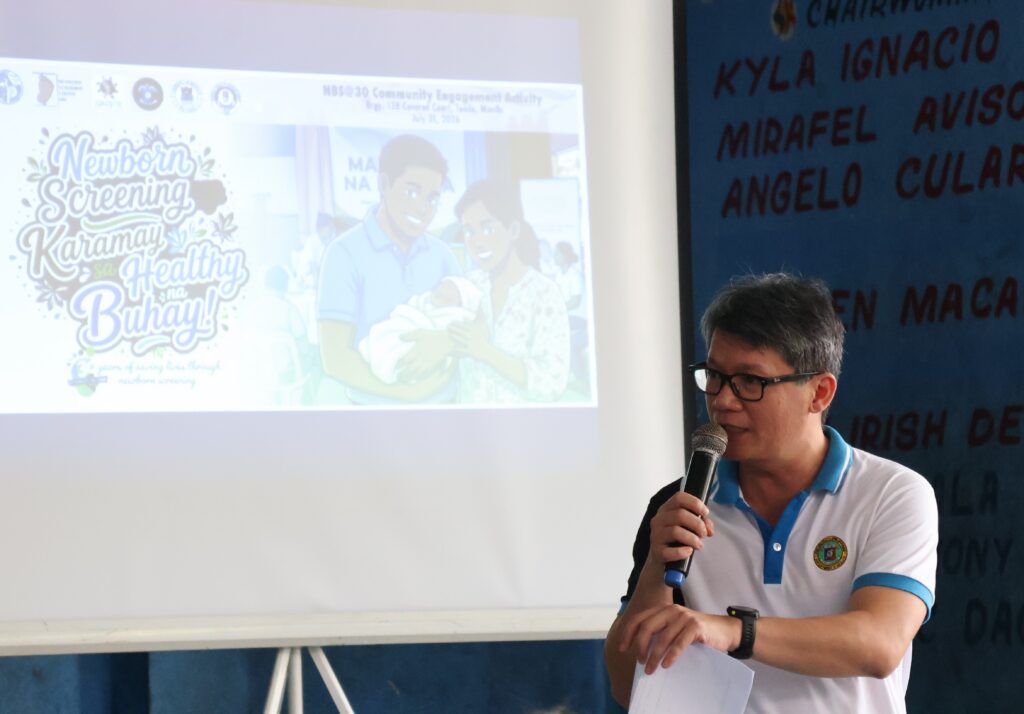
“Napakasimple man nito, ang epekto naman nito ay panghabang-buhay. Malalaman po natin kung may problema ang ating mga anak.”
Dr. Tan encouraged expectant mothers to learn about newborn screening and discuss it with their doctors, midwives, and health centers. He also reminded parents that they are not alone in caring for their children’s health, with the DOH, City Government of Manila, PhilHealth, health centers, and UP Manila through the National Institutes of Health working alongside families.
For Dr. Grace Padilla, OIC and City Health Officer of the Manila LGU, making sure that every baby born in the city gets screened is a shared responsibility.
“Here in Manila, the health of our children is not negotiable. Dapat lahat po ng batang pinapanganak sa atin ay dapat na-newborn screening.”
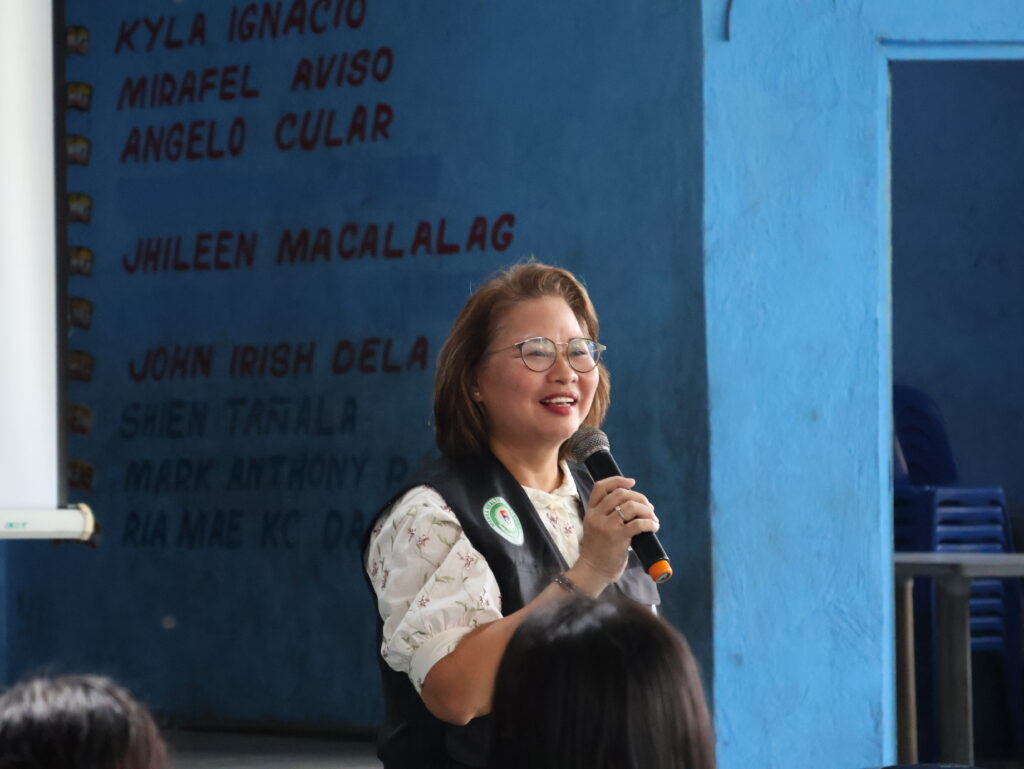
Padilla noted that Manila has 44 centers and that Expanded Newborn Screening (ENBS) is available for free. She also shared that the city continues to monitor screening numbers across public and private hospitals, national hospitals, lying-in centers, and private birthing homes.
Newborn Screening Center-National Institutes of Health’s (NSC-NIH) Unit Head, Dr. Anna Lea Elizaga likewise reminded mothers that caring for a newborn begins with caring for themselves during pregnancy.
“Sana regular po kayong nagpapa-check up, dahil hindi lang si baby ang dapat alagaan, dapat pati mga sarili din natin.”
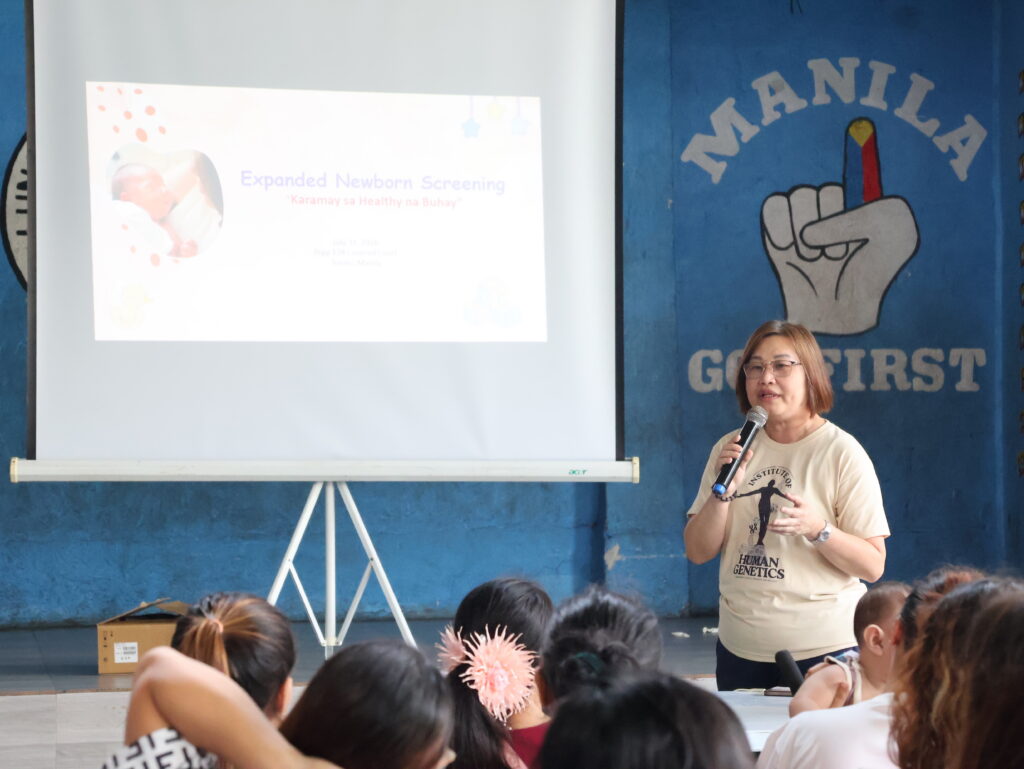
She discussed the developments in Expanded Newborn Screening, which has grown from screening six (6) disorders to twenty-nine (29) congenital disorders. She emphasized that timely screening and intervention can prevent serious complications allowing affected children to live healthy and productive lives. The discussion also covered the newborn screening process, the importance of follow up and the shared responsibility of parents and healthcare providers in protecting every newborn’s health.
Bringing the advocacy closer to families
The community engagement also highlighted the role of young advocates in making newborn screening more accessible to families. Mr. Rufus Thomas Adducul, president of the Volunteer Youth Leaders for Health, discussed the organization’s advocacy and its work in helping pregnant women and babies get screened.
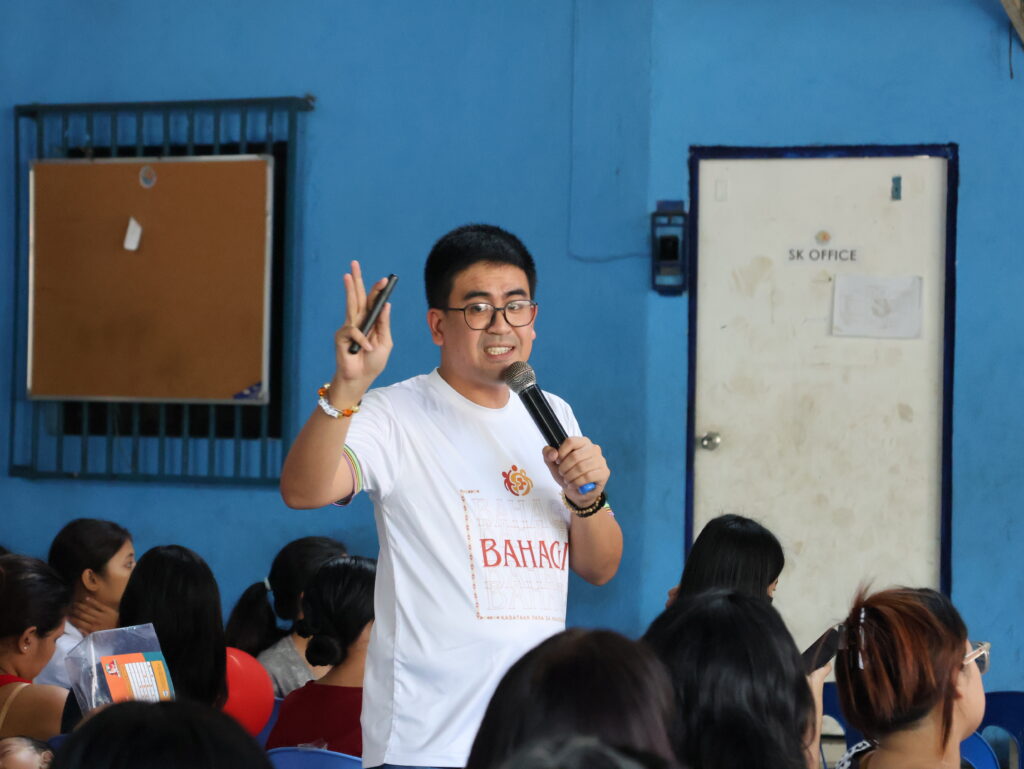
His participation underscored the importance of reaching families with information early, particularly pregnant women who can prepare for newborn screening even before their babies are born.
From the broader advocacy, the event moved to a deeply personal account of why early detection matters.
One family’s NBS story
Regine De Jesus shared the story of her son, Marcus Kiel De Jesus, who was diagnosed with congenital hypothyroidism through newborn screening.
Congenital hypothyroidism is a condition in which a baby is born with a thyroid gland that does not produce enough hormones needed for normal growth and brain development. If detected and managed early, children with this condition can grow and develop normally.
De Jesus gave birth to Marcus in a public hospital in Tondo on June 26, 2021. Because Marcus was born preterm, he underwent the standard newborn screening at birth and, in accordance with the newborn screening protocol for preterm infants, was scheduled for a repeat screening at 28 days of age. During the follow-up process, the hospital contacted the family after the repeat screening indicated a result that required further evaluation.
“Noong nalaman ko po, ang bigat po sa pakiramdam bilang isang nanay. Ang dami ko pong iniisip.”
De Jesus was frightened and overwhelmed, questioning why her child had been affected. But when she returned to the hospital, the doctors encouraged her to act quickly and referred Marcus to an endocrinologist. De Jesus and her husband, Harley, worked together to support their son’s treatment.
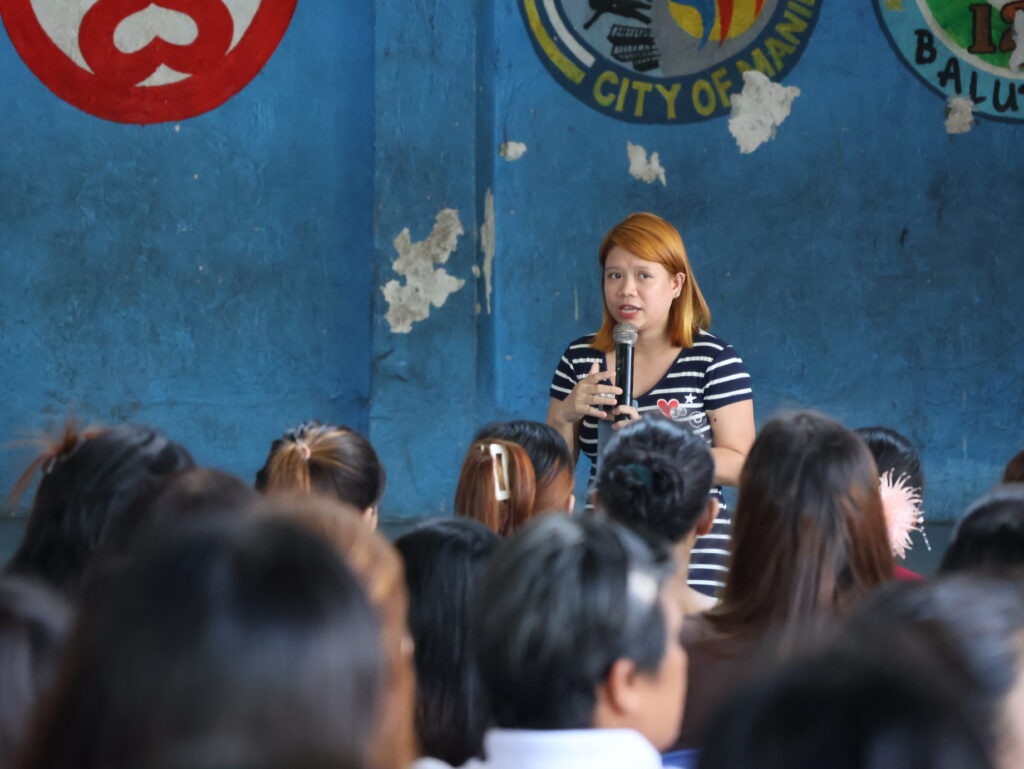
The journey did not end with the diagnosis. Her husband became her biggest source of support, searching for hospitals and doctors who could help Marcus. During the pandemic, they consulted doctors regularly, while other healthcare workers helped make his treatment more manageable.
One of the biggest challenges was getting Marcus’ medication. Regine recalled that there were times when they could only buy levothyroxine when her husband received his salary. Eventually, they learned that they could get the medicine for free by presenting Marcus’ prescription or laboratory results.
“Kay Nurse Gellie, buong journey po ni Marcus, sa kanya po ako nakakahingi ng libreng gamot na levothyroxine,” she said. “Box-box po noon ang nabibigay.”
Gellie Ann “Nurse Gellie” Malic is a nurse at the Newborn Screening Continuity Clinic of the UP-Philippine General Hospital. The continuity clinics provide long-term follow-up care, monitoring, and support for children diagnosed with conditions included in the newborn screening panel.
Early treatment also meant that Marcus could continue developing like any other child. Regine closely monitored how he played, held his toys, walked, and spoke. Over time, she saw that he was doing well. “Pero lahat po normal kung paano kumilos ang isang bata,” she said. “At natutuwa po ako na parang ang advanced niya kasi parang matanda po siyang makipag-usap.”
Without newborn screening, Regine worries that Marcus’ condition could have affected his development in ways they might not have been able to prevent.
“Kung hindi namin ginawa ang repeat NBS, hindi magiging bibo or hyper or malikot si Marcus,” she said. “Mahalaga and NBS, para malaman natin ang resulta ng mga anak natin kung may sakit ba sila at kung paano natin sila matutulungan.”
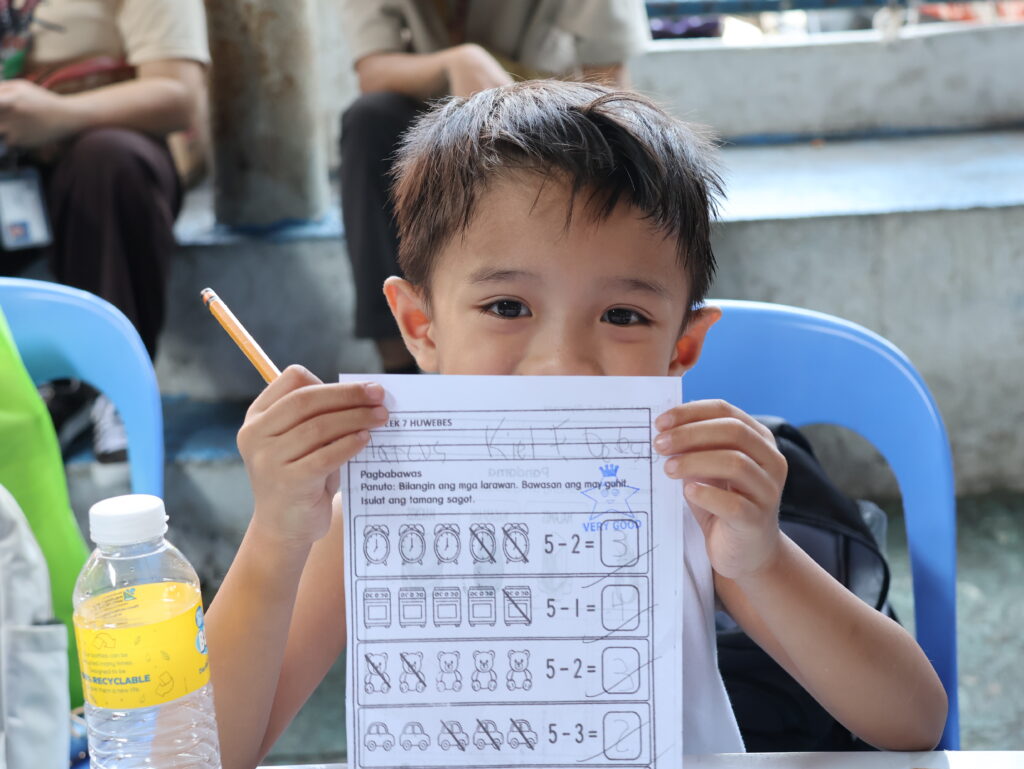
Today, Regine’s hopes for Marcus are simple. She wants him to finish school and, eventually, pursue whatever dream he chooses for himself. “Gusto ko lang makatapos siya, kung may sarili siyang pangarap, abutin niya.”
For expecting mothers and families, Regine has one message: get the baby screened as soon as they are born, and do not be afraid of the result.
“Sa oras nang pagkapanganak nila, magpa-NBS na. Kung maayos ang resulta, masaya po yon. At kung meron man, wag pong mabahala dahil may mga nurse at doktor na handang tumulong.”
She also wants parents to remember that a diagnosis does not mean a child’s future is already decided.
“Hindi dahil may sakit na eh hindi na gagaling, kailangan lang po talaga natin pagtuunan ng pansin, pagtiyagaan, bigyan ng pag-asa yung sarili natin na gagaling ang mga anak natin.”
For Regine and Marcus, newborn screening became more than a test. It became the first step toward understanding what her son needed—and giving him the chance to simply be a child. #